
What Do You Want to Know?
- Find your perfect seat.Find the best sections and seating areas for different venues and events.Find your section
- Understanding your seat.Understand sections, rows, aisles, categories and ticket terminology.Decode your ticket
- Check your view.Learn about sightlines, restricted views, side views and stage positioning.Check the sightline
- Know your ticket type.Understand when standing or reserved seating might provide the better experience.Compare both
- Explore a VenueLearn how seating works at Australia's major stadiums, arenas and theatres.Browse venues
- Seating FAQsQuick answers to common seating questions.Read the FAQs
Seat Scout Picks
Our latest advice on where to sit at Australia's biggest events.

Arden Music Hall Melbourne: Everything You Need to Know About the New Live Music Venue
Melbourne is set to welcome an exciting new addition to its live music scene, with Arden Music Hall bringing a brand-new concert venue to North Melbourne.

Kings of Leon Are Coming Back to Australia in 2027: Tour Dates, Venues and Tickets
We called it. Kings of Leon have officially announced they are heading back to Australia in February and March 2027 as part of their World Tour 2027, with special guests Ocean Alley joining them across all three shows.

Bon Jovi Australia Tour 2027: Dates, Venues and Tickets
Bon Jovi are officially returning to Australia in 2027! The legendary American rock band will bring their FOREVER Tour Down Under for two massive stadium shows in Melbourne and Sydney in March, marking their first Australian…
Anatomy of a Seat
Sections, rows, aisles, reserves, bays. What does it all actually mean?
Floor
The flat area between the stage and the tiered seating. At concerts, this area may be standing for General Admission or set up with rows of seats for Reserved Seating. Floor tickets can get you closer to the action, but as the floor is level, your view may vary depending on your position and the people around you.
On a ticket General Admission or GA1 or Section A, Row 1
Lower Level
The first level of permanent seating surrounding the floor or playing surface. These seats offer a great balance of height and proximity, giving you a clear perspective of the action while still feeling close to the stage or field. This makes them a popular choice for concerts and sporting events!
On a ticket Level 1, Section 24, Row G
Upper Level
The highest level of seating, offering a bird's-eye view of the stage or playing field. While further from the action, these seats are great for taking in the bigger picture, whether you're watching the whole field or enjoying a concert from above. They're also often a more budget-friendly option.
On a ticket Level 3, Section 48, Row N
Section
A numbered block of seats within the venue, made up of individual rows and seat numbers. Your section number tells you which area you'll be sitting in. At venues with multiple seating levels, lower section numbers generally indicate lower-level seating, while higher numbers often refer to upper levels. Every venue is different, so it's always worth checking the seating map.
On a ticket Section A or Section 312
Row
A single line of seats running across a section, usually labelled from the front (Row A) towards the back. In larger sections, the distance between the first and last row can make a big difference to your view, so it's worth checking the seating map to see where your row sits.
On a ticket Row C or Row PP
Aisle
Aisles are the walkways between sections of seats, helping you find your way around the venue. Seats located beside an aisle make getting in and out of your row a little easier. Depending on the venue, your ticket may also show an aisle number instead of a section number to identify where your seats are located.
On a ticket Aisle 37 for Section 36/38
Stage
Where the performance happens! The stage's position and layout can make a big difference to your view. Some stages sit at one end of the venue, others extend into the crowd with catwalks or platforms, while centre stages are positioned in the middle of the floor, with the audience surrounding the performance.
On a ticket N/A
Side view
Seats positioned to the side of the stage, offering a different perspective of the performance. Rather than looking directly towards the stage, you'll enjoy the action from an angle. Side-view seating doesn't necessarily mean a restricted view, although visibility of certain stage elements or screens may vary depending on the setup.
On a ticket Side View
Restricted view
Something physical sits between you and the action, such as a speaker stack, lighting rig, support pillar or part of the stage structure. These tickets are often priced lower to reflect the limited visibility. However, a restricted view doesn't necessarily mean you'll miss the whole performance. Depending on the venue and setup, you may still have a great view of the action.
On a ticket Restricted View or Obstructed View
Drip Line
The drip line marks where the stadium roof's coverage ends and rainwater may fall. Seats beyond this point are generally more exposed to the weather, while those underneath the roof offer some protection. If you're heading to an outdoor event, especially during the cooler months, it's worth checking the drip line to see how much cover your seats may have.
On a ticket N/A
Where to Sit
Seat Scout guides to choosing your spot at Australia's biggest venues.
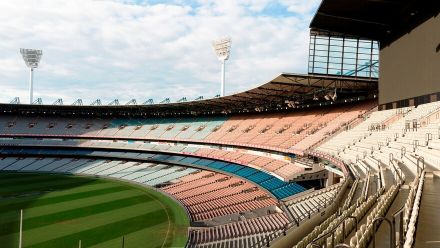
Melbourne Cricket Ground
Level 1 behind the goals gets you close to the contest; level 2 on the wing reads the whole game.
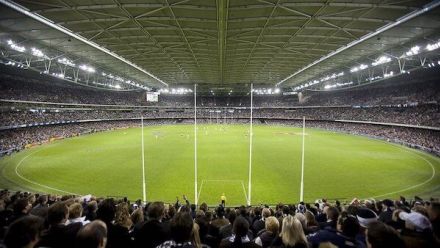
Marvel Stadium
Closed roof means weather is never a factor. Lower bowl between halfway and the stage is the sweet spot.
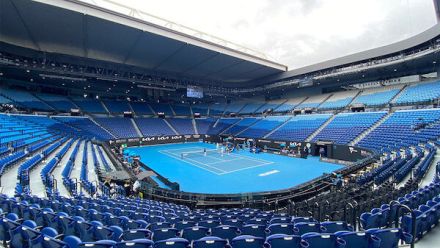
Rod Laver Arena
Small enough that there are no bad seats, but floor rows behind 20 lose their height advantage.
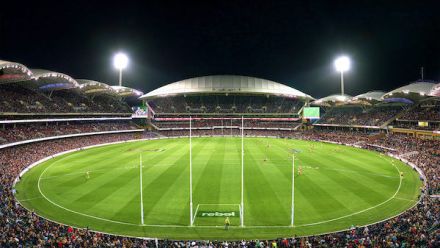
Adelaide Oval
The Riverbank Stand has the best sightlines; the hill is the best atmosphere.
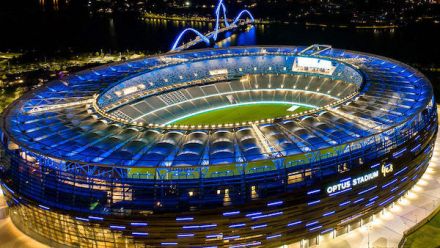
Optus Stadium
Roof coverage reaches most of the lower tier, but the front rows sit outside it.
Seating Explained
Seat Scout FAQs
The seating questions we get asked most often.
Not sure where to sit? Chances are someone else has wondered the same thing.
Should I pick GA or reserved seating?
It depends what you want from the night. GA generally gets you closest to the stage itself and into the atmosphere, but you do not have designated seating and your view depends on who is in front of you. Reserved seating guarantees a spot, a sightline and somewhere to put your drink. If the show is a spectacle with production and screens, seated is often the better watch; if it is a band you want to be in the middle of, GA wins.
What are Floor seats?
Floor seats are a great option if you love being close to the stage and soaking up the atmosphere of a live concert whilst also securing a reserved seat!
As floor seating is generally on a flat surface, your view can depend on where you're seated, the stage setup and the people in front of you.
If you'd prefer a more elevated view of the stage, tiered seating might be a better fit.
We recommend checking the venue's seating map to help you choose the best spot for your concert experience!
What's the difference between sideline and behind-the-goals seating at a sporting match?
Both offer a different perspective of the game, and it really comes down to how you like to enjoy the action!
Sideline seating is located along the sides of the field, giving you a great view of the game as it moves from one end to the other. It's a popular choice for fans who enjoy following all the action across the field.
Behind-the-goals seating puts you right near the action when play comes your way! These seats can be especially exciting during scoring opportunities and are often home to some of the most passionate fans.
Both have their perks! We recommend checking the seating map on your event page to see where each section is located and choose the view that suits you best.
Does Restricted View mean a bad view?
Not necessarily! Restricted view is a classification used by venues to let you know that part of your view may be obstructed.
This could be anything from a glass barrier at the front of a section to a sound booth or lighting tower that sits within your line of sight.
The good news? Restricted view tickets can be a great way to enjoy your favourite artists at a more affordable price, while still having an awesome concert experience!
We recommend checking the venue's seating map before purchasing to get a better idea of where you'll be seated and what to expect!
Will my seats be located next to one another?
Absolutely! As long as your tickets are purchased for the same section and within the same transaction, the quantity of tickets selected will always be located together, directly next to one another.
What's the difference between a bay and a section?
Fun fact, there is no real difference! A bay or section is simply a numbered block of seats within a venue. The MCG uses bays, while most other venues use sections. Your ticket shows your bay or section, row and seat number.
What does side view mean on a concert ticket?
Side view seats are located to the left or right of the stage, giving you a different angle of the performance rather than a straight-on view. The upside? These seats can often get you closer to your favourite artists than similarly priced seats facing the stage!
Depending on the stage setup, you might miss some parts of the production or screens, and you may have a glimpse of the backstage action.
Some side view seats may also be classified as restricted view, which will be clearly indicated on your tickets where applicable, so you know what to expect!
How do I choose the best seats for a concert on Ticket Merchant?
Finding your perfect concert spot is easy with Ticket Merchant!
Simply select your event and explore the available ticket options on our website. Our interactive seating map helps you see where each section is located in relation to the stage, so you can find the spot that best suits your preferences and budget.
You can also hover over ticket listings to highlight their location on the seating map, making it easier to compare your options!
How do I know if my tickets have a restricted view?
We've got you covered! If tickets have a restricted view, we'll clearly indicate this with an asterisk (*) on our website so you know what to expect before purchasing.
You'll find more details about what each asterisk means in the Important Information section and seating map key, helping you make an informed choice when picking your tickets.
We recommend checking these details before purchasing to find the seats that best suit you!
What does the drip line mean at a stadium?
The drip line is the edge of the roof over a stadium's seating. Seats behind the drip line are covered from rain and sun; seats in front of it are exposed. At open-air venues like the MCG, it's worth choosing covered seats for winter events or when rain is forecast.
Are higher seats still good for concerts and sporting events?
Absolutely! Higher seats can offer a great view of the action, especially if you enjoy seeing the whole stage, field or arena from above.
While you'll be further away from the action, elevated seating often gives you a wider view of the venue, making it easier to take in the full performance or follow the game.
Your experience will depend on the venue layout and where you're seated, so we recommend checking the seating map on your event page to get a better idea of the view and find a spot that suits your preferences!
What is the difference between GA and reserved seating at a sporting match?
At some sporting matches, stadiums open up certain sections, entire stands or grassed areas for General Admission (GA). Depending on the venue, GA may include access to unallocated seats or standing areas.
The main difference is that reserved seating guarantees you a specific seat, while General Admission is first come, first served!
If you've purchased GA tickets, we recommend arriving early to give yourself the best chance of securing your preferred spot and enjoying all the action!
How do concert seating maps work?
A concert seating map shows the venue layout for that specific event, including:
-
The stage position
-
General Admission (GA) areas
-
Floor seating
-
Each tiered section or bay
When browsing tickets on our website, simply hover over a listing to highlight its location on the seating map. This helps you understand where each section is positioned and compare the available seating options.
Layouts can change between events, and even between tours at the same venue, depending on stage size and production.
Can concert seating layouts change?
Yes! Concert seating layouts can vary between events, even when they're held at the same venue.
Factors such as stage size, production requirements and the artist's tour setup can all influence how a venue is arranged. This means floor seating, General Admission areas and available sections may differ from one concert to another.
Occasionally, event organisers may also make changes to the seating layout after tickets have been sold. This can result in seat relocations or adjustments to certain sections. These decisions are made by the event organisers or venue and are outside of Ticket Merchant's control.
If any changes are made to your seating arrangements, we'll always keep you informed of updates communicated to us by the venue or event organisers.
We recommend checking the seating map on your specific event page for a guide to the layout, keeping in mind that changes may occur as event preparations progress.
Still Unsure About Your Seats?
Our Melbourne-based team knows tickets. If Seat Scout hasn't answered your question, get in touch and we'll help where we can.
- No hidden fees
- 100% Buyer Guarantee
- Locally sourced
- Melbourne-based support